
What Is a Hardiness Zone?
A Guide to Choosing Plants That Thrive
INTRODUCTION
Successful gardening begins with putting the right plant in the right place. But before choosing plants, you first need to understand your plant hardiness zone.
Hardiness zones help gardeners and landscape professionals determine which plants can survive the temperatures in their region. By selecting plants suited for your climate, you greatly increase the chances of building a healthy and sustainable landscape.
What Is a Plant Hardiness Zone?
The USDA Plant Hardiness Zone Map divides the United States into 13 climate zones based on the average annual extreme minimum temperature.
Each zone represents a 10-degree difference in winter temperatures, helping gardeners understand how cold their region can get.
This system acts as a guide for selecting plants that can survive and thrive in a specific environment.
Hardiness Zones in Colorado
Colorado’s diverse climate means that several hardiness zones exist throughout the state.
Most of Colorado falls into Zones 4–6, although some areas differ depending on elevation and location.
Examples include:
- Many Front Range areas: Zone 5
- Higher mountain regions: Zone 4
- Fruit-growing areas near Grand Junction: Zone 7
Checking the hardiness zone on plant labels before purchasing seeds or plants helps ensure long-term success in your garden.
Why Hardiness Zones Matter for Plant Selection
Choosing plants suited to your zone prevents common gardening frustrations.
For example, a tropical plant like bougainvillea, which grows well in Zone 10, would not survive Colorado’s colder winters.
By selecting plants rated for your zone, you significantly increase the likelihood that they will survive winter and return year after year.
Why Some “Perennials” Act Like Annuals
Hardiness zones can sometimes create confusion, especially in regions with colder climates.
Plants labeled as perennials in warmer regions may not survive winter in colder zones.
In Colorado, certain plants often behave like annuals, including:
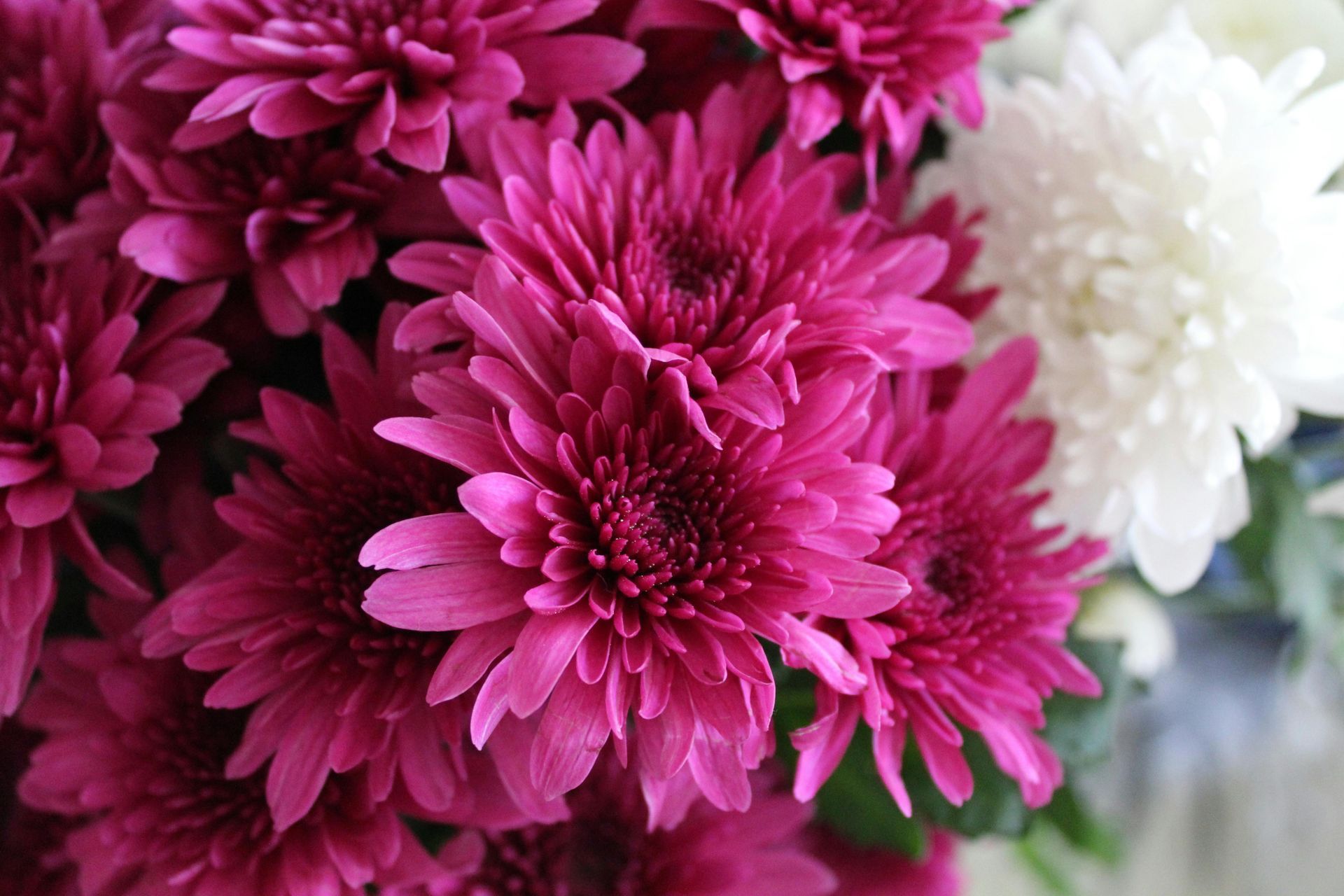
- Chrysanthemums
- Verbena
These plants may grow successfully during the season but need to be replanted the following year.
Other Factors That Affect Plant Success
Temperature alone does not determine plant health. Several environmental conditions also influence whether plants thrive.
Important factors include:
- Soil quality
- Sun exposure
- Wind conditions
- Drainage
Even plants suited for your zone can struggle if these conditions are not ideal.
Choosing Plants for Colorado Landscapes
If you are unsure which plants are best for your landscape, consulting a landscape professional can help.
Programs like Plant Select also develop plant varieties designed to thrive in Colorado’s challenging growing conditions. Many of these plants are drought-tolerant and require less maintenance.
Understanding your hardiness zone is the first step toward building a healthy, resilient landscape that thrives year after year.