
Why Soil Is the Foundation of a Healthy Landscape
Improve Soil Quality to Grow Stronger Plants and Create a Thriving Outdoor Space
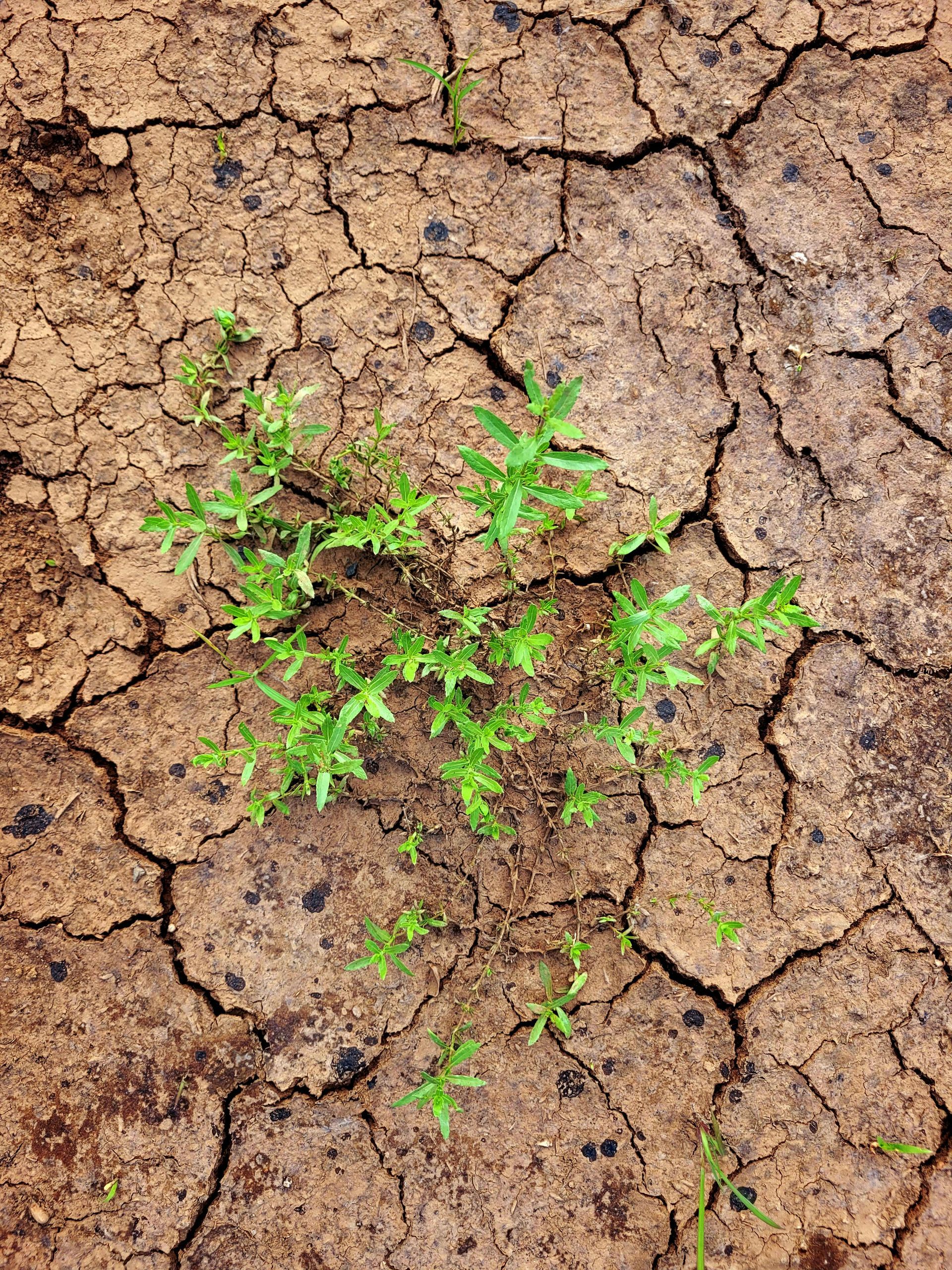
Healthy soil is the backbone of every successful landscape. It supports plant growth, regulates water, and plays a crucial role in maintaining a balanced ecosystem.
Understanding your soil and improving its quality can transform your outdoor space.
Why Soil Quality Matters
Not all soil is created equal. High-quality soil performs multiple essential functions that directly impact plant health and environmental sustainability.
Soil as a Water Manager
Soil acts like a sponge, absorbing rainwater and reducing runoff. It also supports groundwater recharge and helps control flooding in urban environments.
Soil as a Resource Provider
Healthy soil stores and releases nutrients, water, and air that plants need to grow. It also plays a role in carbon storage, helping reduce environmental impact.
Soil as a Natural Filter
Soil filters and purifies water and air, removing pollutants and improving overall environmental health.
Soil as a Protective Buffer
Soil helps trap harmful substances such as pesticides and heavy metals, preventing them from entering groundwater systems.
Challenges with Soil in MICHIGAN
Much of the soil in Michigan tends to be heavy clay and alkaline, which can make it difficult for plants to thrive.
While you cannot control climate factors like temperature or wind, you can improve soil conditions to better support plant life.
How to Improve Soil Health
Conduct a Soil Test
A soil test helps identify nutrient deficiencies and pH levels. Testing allows you to make informed decisions about soil improvement.
Use the Right Soil Amendments
Common soil amendments include:
- Compost
- Mulch
- Organic matter
Be cautious when selecting compost, as some may contain high salt levels that can harm plants.
Work with a Professional
Consulting a landscape professional can help you choose the right amendments based on your soil type and landscape goals.
Fun Fact About Soil
It can take anywhere from 100 to 500 years to form just one inch of topsoil. Protecting and improving soil is an investment in the long-term health of your landscape.